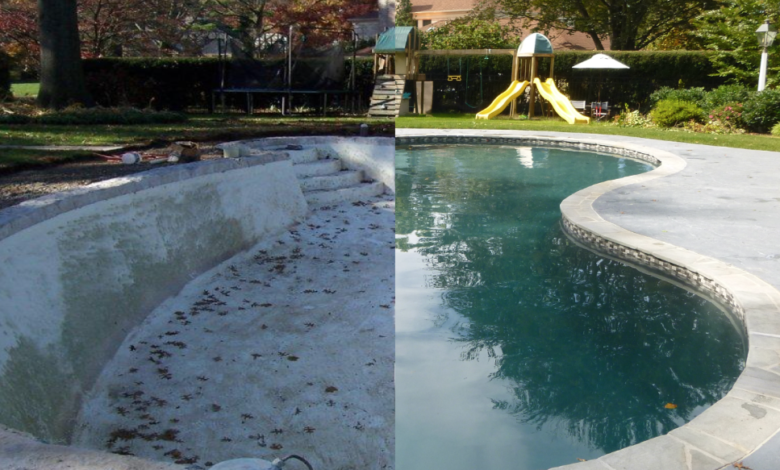
Concrete pools are known for their durability and long lifespan. However, like any outdoor structure exposed to water, sunlight, and chemicals, they eventually begin to show signs of aging. Cracks, rough surfaces, discoloration, and minor leaks can slowly appear over time. The good news is that these issues do not always mean the pool needs to be rebuilt. In many cases, resurfacing can restore the pool’s strength and appearance. Homeowners who are considering pool resurfacing Phuket often discover that resurfacing is one of the most effective ways to extend the life of an older concrete pool.
Resurfacing not only improves how a pool looks but also strengthens the interior surface, helping it perform better for many more years.
Why Concrete Pool Surfaces Deteriorate Over Time
Concrete is a strong material, but it is constantly exposed to water pressure, chemicals, and environmental changes. Over time, the protective surface layer begins to wear down.
As the finish ages, it can become porous, allowing water and minerals to penetrate the surface. This can lead to staining, rough textures, and even small structural cracks. When these issues are addressed early through swimming pool resurfacing Phuket, the pool structure can remain solid and functional for much longer.
Ignoring surface deterioration, however, may lead to more serious structural problems in the future.
See also: Double Punishment or Support? What Experts Say About Scolding at Home
Restoring Structural Protection
The main purpose of resurfacing is to restore the protective barrier between the pool structure and the water it holds. A fresh finish seals the interior of the pool and prevents moisture from damaging the concrete shell.
When applied correctly, resurfacing helps strengthen the pool and prevents further deterioration. This protective layer also reduces the chances of leaks and structural weakening.
Many homeowners choose pebble pool resurfacing Phuket because pebble based finishes are known for their durability and resistance to wear.
Improving Comfort and Safety
Older pool surfaces can become rough and uncomfortable, especially if the finish has started to erode. Rough patches may cause scratches on swimmers’ feet or hands, making the pool less enjoyable to use.
Resurfacing restores a smooth and consistent texture while maintaining proper grip for safety. This improves both comfort and confidence for swimmers of all ages.
A properly resurfaced pool also eliminates sharp edges and uneven surfaces that could pose safety risks.
Enhancing the Appearance of the Pool
Over time, aging pool surfaces may develop discoloration, stains, or faded areas. These cosmetic issues can make even a well maintained pool look neglected.
Resurfacing gives the pool a completely refreshed appearance. Modern finishes offer a variety of colors and textures that can transform the entire look of the pool.
During pool renovation and resurfacing Phuket projects, homeowners often choose finishes that complement their outdoor design, creating a more luxurious and inviting atmosphere.
Reducing Long Term Maintenance
Older surfaces tend to be more porous, which allows algae and dirt to cling to the pool interior more easily. This can make cleaning more difficult and increase the amount of chemicals required to maintain water quality.
A new surface is typically denser and more resistant to staining. This helps keep the pool cleaner with less effort and reduces maintenance costs over time.
In addition, resurfacing can address minor surface damage before it develops into more expensive repairs.
Increasing Property Value
A well maintained pool is a major asset for any property, particularly in locations where outdoor living is an important part of the lifestyle.
A refreshed pool surface can significantly improve the visual appeal of the entire outdoor space. For homeowners planning to sell or rent their property, resurfacing can make a strong positive impression on potential buyers or guests.
By restoring both function and appearance, resurfacing adds value to the property while extending the usable life of the pool.
A Smart Alternative to Full Reconstruction
One of the biggest advantages of resurfacing is that it allows homeowners to upgrade their pool without the cost and disruption of rebuilding it entirely.
Reconstruction requires excavation and structural work, which can be time consuming and expensive. Resurfacing, on the other hand, focuses on strengthening the existing structure while refreshing the interior surface.
For many older concrete pools, resurfacing offers the perfect balance between cost, durability, and aesthetic improvement.
Final Thought
Extending the life of your pool starts with choosing the right surface materials and expert craftsmanship. Pebble Tec is trusted worldwide for premium pool finishes that combine natural beauty with exceptional durability. If you are planning to upgrade or restore your aging pool, Pebble Tec’s innovative surfaces can help transform your pool into a stunning feature that lasts for years to come.
Frequently Asked Questions
1. How often should a concrete pool be resurfaced?
Most concrete pools benefit from resurfacing every several years depending on usage, maintenance, and the quality of the existing finish.
2. What are the signs that a pool needs resurfacing?
Common signs include rough surfaces, stains that cannot be removed, small cracks, and fading of the pool finish.
3. How long does a resurfacing project take?
The timeline varies depending on the size and condition of the pool, but many resurfacing projects can be completed within a few weeks.
4. Can resurfacing change the look of the pool?
Yes. Modern resurfacing finishes come in a variety of colors and textures, allowing homeowners to upgrade the pool’s appearance during the process.